A webhook is a way to send product purchase data to any external tool — Zapier, Google Sheets, Slack, Airtable, Make.com, your CRM, anything with an API. When someone buys, FlexiFunnels automatically sends their data to that tool.
Compare:
- Rules (in FlexiFunnels) → send data to email platforms (Mailchimp, GetResponse, ActiveCampaign)
- Webhooks (in FlexiFunnels) → send data to anything else (Zapier, Google Sheets, Slack, custom tools)
This guide shows you how to set up a webhook so your purchase data automatically flows to your favorite automation tool.
Check this quick video to create a Product using MCP/Flexi Genie:
Why Use Webhooks?
Without webhooks: Customer buys → you manually export data → you paste it into Google Sheets / CRM / etc. → slow, error-prone.
With webhooks: Customer buys → data automatically sent to Zapier → Zapier creates a row in Google Sheets, adds them to your CRM, sends a Slack notification, etc. → no manual work.
Common uses:
- Google Sheets: log all purchases in a spreadsheet for accounting
- Slack: get instant notifications when someone buys
- CRM (HubSpot, Salesforce): automatically create a deal/contact when someone purchases
- Zapier: connect to 1000+ tools (text alerts, Discord, Telegram, custom webhooks, etc.)
- Airtable: track customers and orders in a database
- Make.com (Integromat): build custom automation workflows
Prerequisites
Before setting up a webhook, you need:
- A product created in FlexiFunnels
- An external tool that accepts webhooks (Zapier, Google Sheets, Slack, etc.)
- That tool's webhook URL — the destination where FlexiFunnels sends the data
? Different tools have different setup. Zapier, Make, and Slack each have their own way of generating a webhook URL. This guide uses Zapier as the example, but the FlexiFunnels side is the same for all.
What Data Gets Sent?
When someone purchases, the webhook sends:
- Buyer info: Name, Email, Phone (from checkout form)
- Product info: Product name, Price, Purchase date
- Any custom fields: Company, Address, etc. (if you collect them in checkout)
The receiving tool (Zapier, Sheets, etc.) receives all this data and can use it however it needs.
Step-by-Step: Set Up a Webhook (Using Zapier as Example)
This section walks through Zapier. If you're using a different tool (Make, Slack, Sheets), skip to "Other Webhook Tools" below.
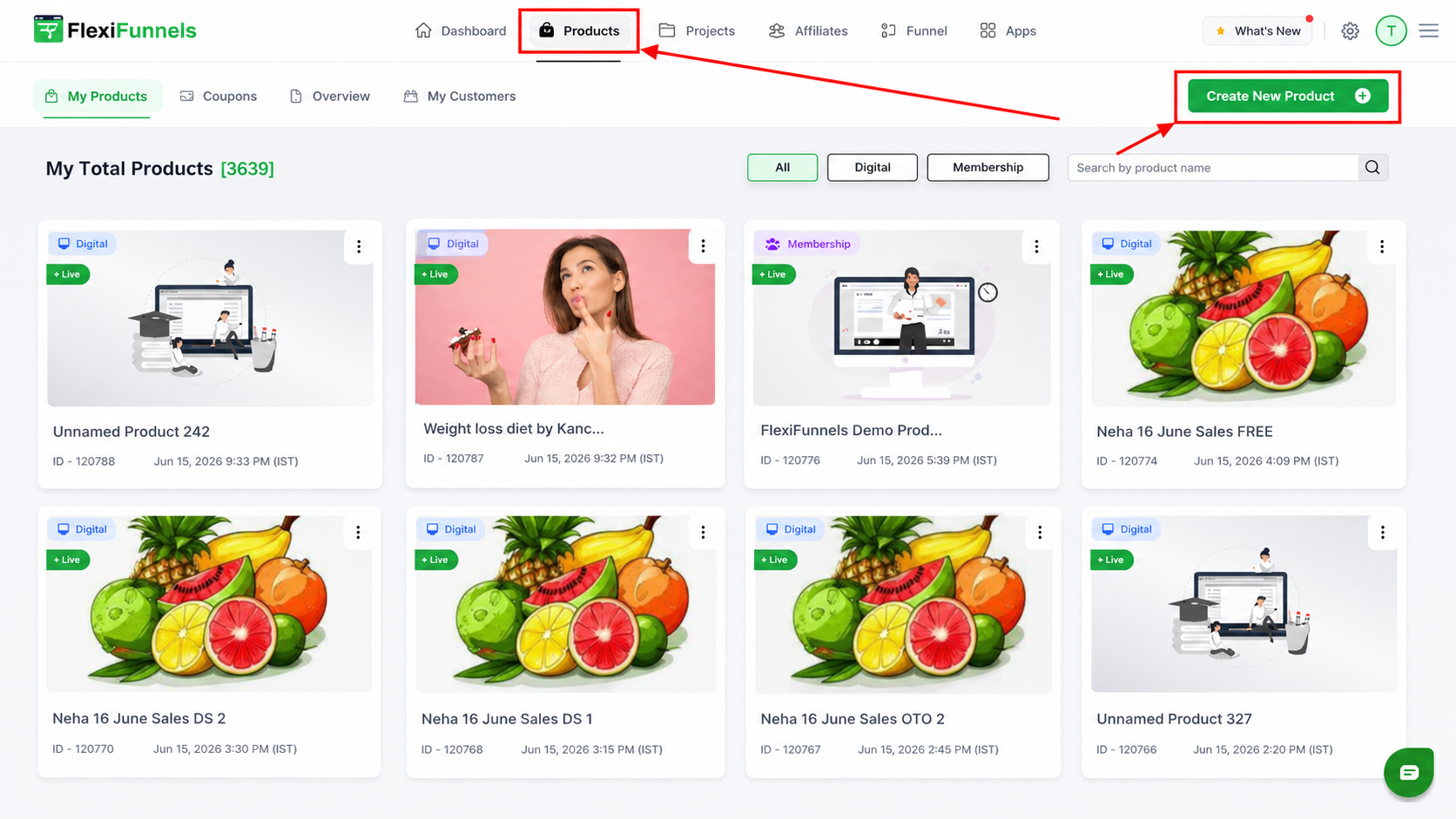
Step 1 — Open Your Product in FlexiFunnels
Go to Products and select the product you want to connect a webhook to.
Step 2 — Go to Set Rules
Click the "Set Product Rules" tab (or button).
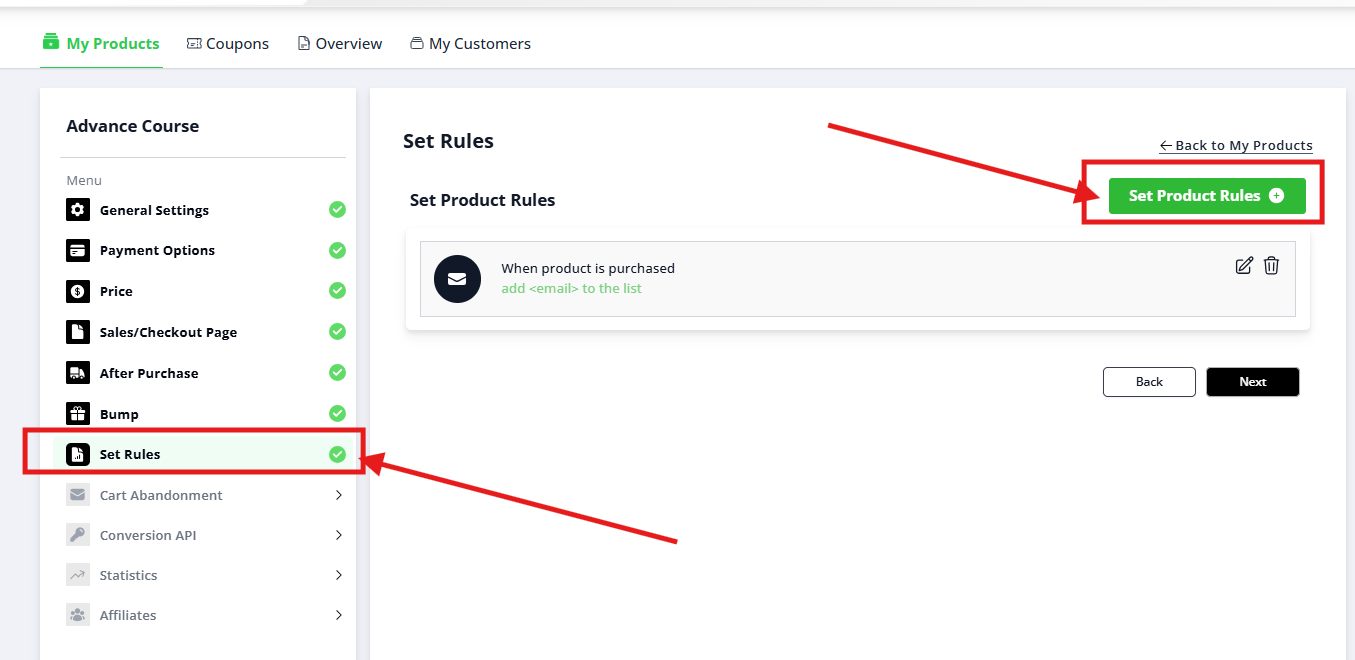
Step 3 — Create a New Webhook Rule
Click "Set Product Rules" to create a new rule. In the form that appears:
- When: Select "Product is purchased"
- Use: Click the dropdown and select "Webhook" (not "Autoresponder")
- Webhook Name: Give it a name (e.g., "Zapier Purchase Webhook")
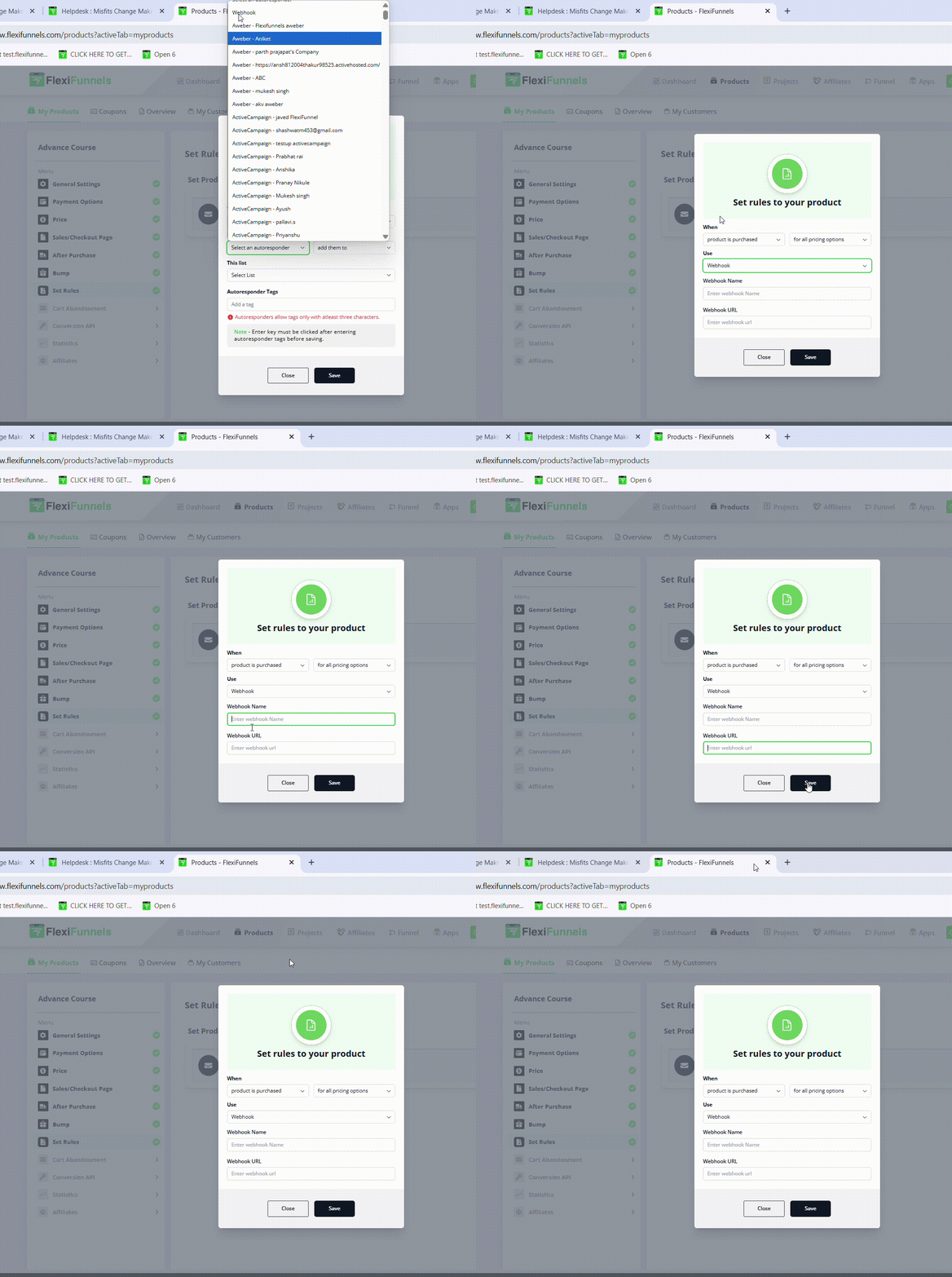
Step 4 — Get the Webhook URL From Zapier
Now you need a webhook URL from Zapier. Here's how:
- Log into your Zapier account (zapier.com)
- Click "Create Zap"

- Give your Zap a name (e.g., "FlexiFunnels Purchase → Google Sheets")

- Search for "Webhooks by Zapier" in the search bar and click it


5. Click "Catch Hook Event" (the trigger for receiving data from FlexiFunnels)

- Click "Continue"

- You'll see a "Custom Webhook URL" — copy this URL

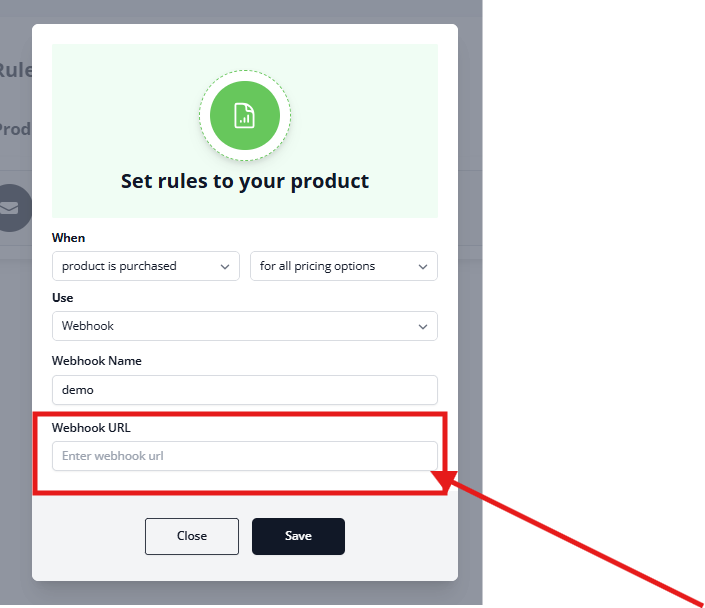
Step 5 — Paste the URL Into FlexiFunnels
Back in FlexiFunnels, in the webhook rule form:
- Find the "Webhook URL" field
- Paste the URL you copied from Zapier
- Click "Save"
Step 6 — Set Up the Zapier Action (What Happens Next)
Now Zapier is listening for purchase data from FlexiFunnels. Next, tell Zapier what to do with that data.
In Zapier, after Catch Hook Event, click "+" to add an action. Choose what you want to do:
- Google Sheets: add a row with purchase data
- Slack: send a message
- Email: send a notification
- CRM: create a new contact
- Anything else Zapier supports
Configure the action (e.g., "Add name, email, price to this Google Sheet"), then publish the Zap.
Testing the Webhook
Before relying on it, test:
- Publish your FlexiFunnels checkout page (the webhook only works on live pages)
- Make a test purchase using a test email
- Check Zapier — did the data arrive? (You can see this in Zapier's "Tasks" section)
- Check your destination (Google Sheets, Slack, etc.) — is the data there?
If data doesn't appear, see Troubleshooting below.
Other Webhook Tools (Not Zapier)
Zapier is the most popular, but you can use any tool that accepts webhooks:
Make.com (formerly Integromat)
- Create a new scenario
- Choose "Webhooks" as the trigger
- Copy the webhook URL
- Paste into FlexiFunnels
- Set up actions (add to sheet, CRM, etc.)
Google Sheets (Direct Webhook)
- Use a tool like Webhook.cool or set up a Google Apps Script
- Generate a webhook URL
- Paste into FlexiFunnels
- Data lands in your sheet
Slack
- Use Zapier (Slack + FlexiFunnels) — simplest
- Or use Slack's native webhook (requires more setup)
Your Custom API
- If you have a custom tool, ask your developer for a webhook URL
- Paste into FlexiFunnels
- Your tool receives the data
? Zapier is recommended for most users because it's easiest and connects to 1000+ services. For simple tasks (Google Sheets, Slack), direct webhooks work too.
Common Situations & Quick Fixes
"I set up the webhook but no data arrived in Zapier."
Checklist:
- Did you publish the FlexiFunnels checkout page? Webhooks only fire on published pages, not editor preview.
- Did you test with a real purchase on the live page (not editor preview)?
- Is the webhook URL correct? Check that you copied the full URL from Zapier.
- In Zapier, did you click "Continue" after setting up the Catch Hook? And publish the Zap?
- Wait a moment — it can take 10–30 seconds for Zapier to receive the data.
- Check Zapier's "Tasks" tab to see if the data arrived (even if your action failed)
"The webhook is firing but my Google Sheet / Slack / etc. isn't getting the data."
The FlexiFunnels → Zapier connection is working, but the Zapier action is failing.
- In Zapier, check the action configuration (is the Sheet ID correct? Is the Slack channel right?)
- Click the failed task to see the error message
- Zapier's interface shows you exactly what went wrong
"I want webhooks for multiple products."
Create a separate webhook rule for each product (or use the same Zapier Zap if you want the same destination). Each product can have its own webhook.
"The data arriving in Zapier / Sheets looks wrong or incomplete."
The webhook sends whatever the customer entered in the checkout form. If a field is missing:
- Make sure that field is on your checkout form (see Form Element Settings)
- Confirm the customer actually filled it out (if optional, they might skip it)
"Can I send the same purchase data to multiple places (Sheet AND Slack AND CRM)?"
Yes — in Zapier, use "Multi-Step Zap." After Catch Hook Event, add multiple actions (Create Google Sheets row + Send Slack + Create HubSpot Contact). All happen automatically.
"I want to transform the data before sending (e.g., combine first + last name)."
Use Zapier's "Formatter" action to manipulate data between the webhook and your final destination.
Best Practices
- Test before going live. Make a test purchase and verify data arrives.
- Use meaningful webhook names. "Zapier Purchase Webhook" is better than "Webhook 1."
- Document what happens next. If your Zap adds to a Sheet, know which Sheet and which columns.
- Monitor Zapier Tasks. Check the Tasks tab occasionally to catch errors early.
- Use Zapier's multi-step zaps for complex workflows. One webhook can trigger many actions.
Webhooks vs. Rules — When to Use Each
| Need | Use |
|---|---|
| Send to Mailchimp, GetResponse, ActiveCampaign | Rules (Autoresponder option) |
| Send to Zapier, Google Sheets, Slack, CRM | Webhooks |
| Add buyer to email list + tag them | Rules |
| Log purchases in a spreadsheet | Webhooks |
| Multiple destinations (email + Slack + Sheet) | Webhooks (via Zapier multi-step) |
Was this article helpful?
That’s Great!
Thank you for your feedback
Sorry! We couldn't be helpful
Thank you for your feedback
Feedback sent
We appreciate your effort and will try to fix the article